Collections and Charge-Offs

Collection Accounts Don't Have to Stay a Mystery

A collection account or charge-off can narrow your financial choices. Learn what these entries actually mean — and what your options may be.

Start by Understanding the Account, Not Fearing It

A collection account or charge-off usually shows up after a debt falls seriously past due or gets handed to a third party. These entries can complicate a car loan, a mortgage, a lease, or any other application — and they're stressful when you don't recognize the account, disagree with the amount, or think the reported status is wrong.

We help customers make sense of the collection accounts and charge-offs on their reports. We go through the account details, explain how these entries are reported, and talk about whether the information looks inaccurate. We don't promise a collection entry will be removed or that a creditor will change its reporting — accurate information generally stays, even when it's unfavorable.

In the Austin area, collections and charge-offs often trace back to a life event — a hospital bill, a broken lease during a move, a card that got away from you during a job change. Before you answer any collector, get the facts straight: the original creditor, the amount, the dates, and whether the account is really yours. We walk through each entry with you first.

A First Look at Real Results

These are actual results from past clients, previously shared on Instagram. Every credit file is different, so treat these as examples of what the process can look like, not as a promise of what yours will do.
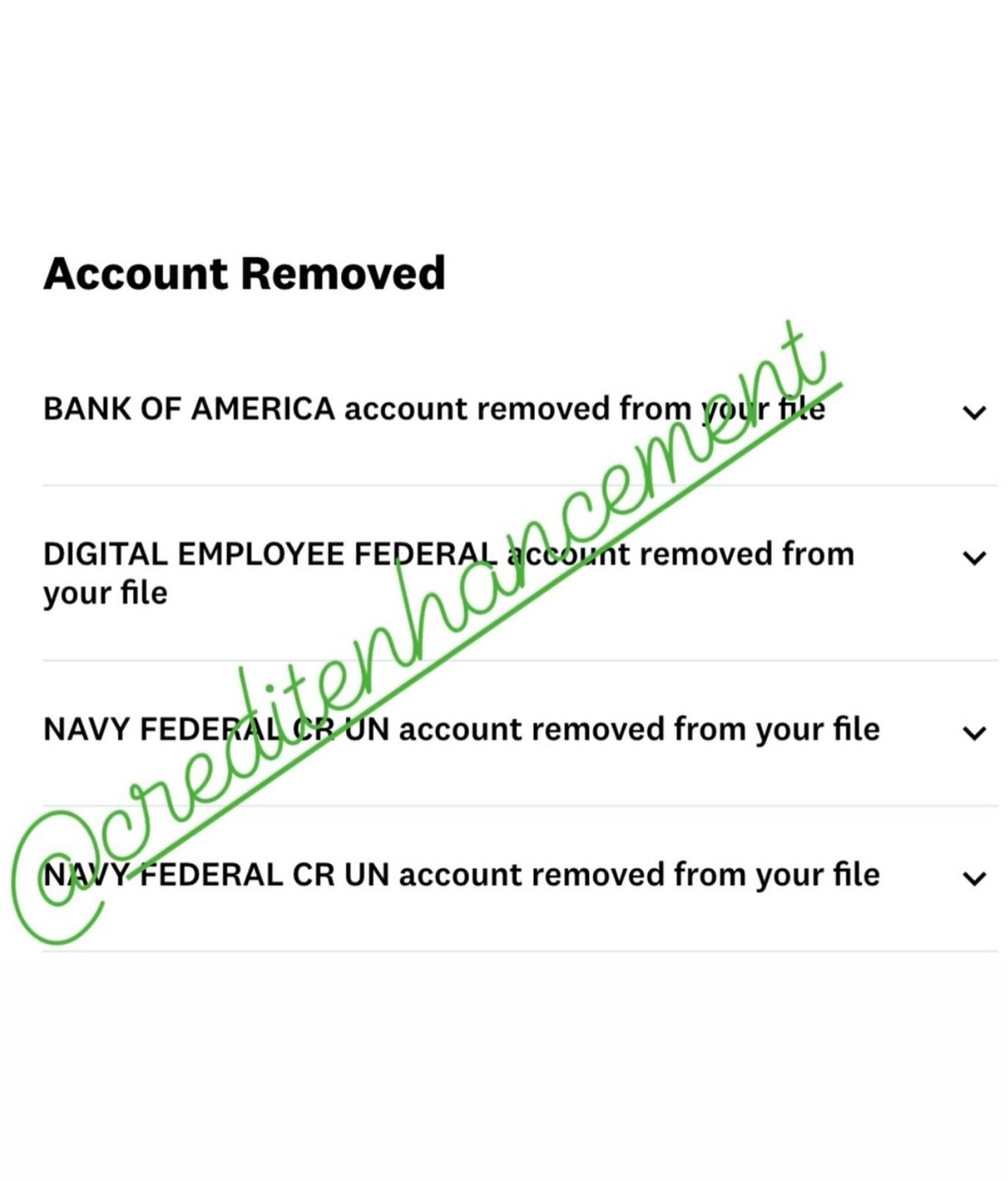
Austin credit repair result: Four accounts removed: Bank of America, Digital Employee Federal, and two Navy Federal accounts

Four accounts removed

Four accounts removed from a client's file in February 2024: Bank of America, Digital Employee Federal, and two Navy Federal accounts.
See it on Instagram →

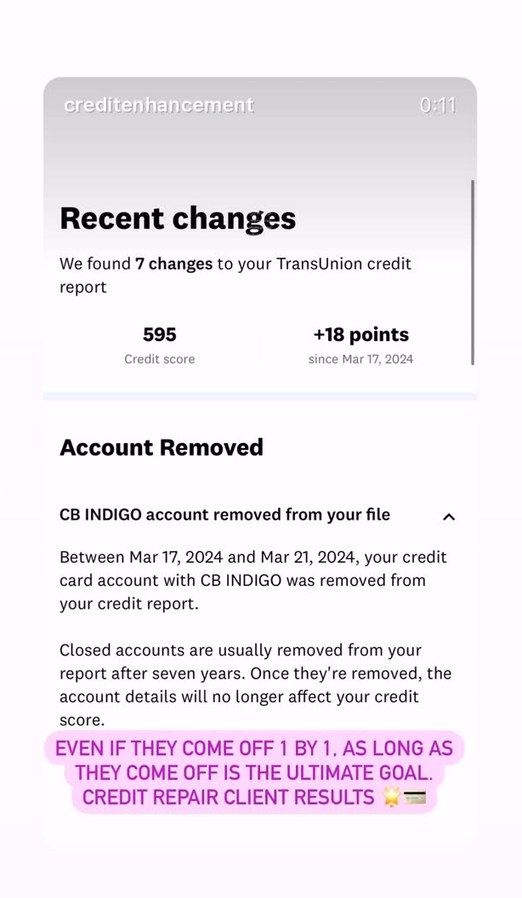
Austin credit repair result: TransUnion report showing a CB Indigo account removed, score 595, up 18 points

CB Indigo account removed

CB Indigo account removed; TransUnion score 595, up 18 points, March 2024.

See it on Instagram →

Results vary from person to person and depend on what is in each credit file. Nothing here promises a particular score increase or deletion.

Find Every Collection Entry on Your File for a Dollar

Collection entries are hard to face when you can't see them clearly. For a dollar, you can pull all three reports — Equifax, Experian, and TransUnion — and read every collection and charge-off entry for yourself, balances and all.

Dealing with the facts starts with seeing the facts.

See My Entries

One week with MyScoreIQ is $1, then $34.99 a month if you keep it. Cancel anytime.

Austin Credit Repair Is Proud to Serve Texas

What We'll Go Through With You

Collection accounts and charged-off debts don't always look the same on a report. We help you tell them apart and spot accuracy concerns.

Collection Account Details

We go over the reported creditor, account ownership details, balance, and status shown for each collection account.

Charged-Off Account Status

We explain what a charge-off means in credit reporting, and how it differs from an active collection account.

Balances and Reporting History

We help you look at reported balances, payment history, and the dates tied to collection or charge-off entries.

Dispute Options for Inaccuracies

We talk about whether an entry holds inaccurate information that may justify a dispute with the bureau or the information provider.

Talking With Creditors

We talk through responsible ways to communicate with creditors, review payment arrangements, and keep your records straight.

Why Details Come First With Collections

Details First

Every collection account has its own creditor, balance, and history. We help you get the details straight before anything else.

Accuracy, Not Promises

We focus on finding inaccurate information — not on suggesting that every collection entry can come off.

Support for Difficult Conversations

We explain the terminology collectors use and help you prepare for conversations with creditors or collectors.

How We Work Through Collections With You

Talk Through Your Entries

We talk through the collection or charge-off entries on your reports.

Check the Account Details

We help you check account ownership, balances, dates, and reporting status.

Identify Potential Inaccuracies

We help you spot information that looks inaccurate, incomplete, or inconsistent with your records.

Weigh Your Options

We lay out possible dispute options, communication approaches, and practical credit habits.

Questions About Collections and Charge-Offs

Can a collection account be taken off my credit report?

An inaccurate collection entry may be challenged with the bureau or the information provider. Accurate collection information generally can't be removed simply because it's unfavorable.

If I pay a collection account, does it disappear?

Paying may change the account's status, but it doesn't automatically remove the entry. The reporting rules decide how long accurate information stays.

Is it a good idea to speak with the collection agency directly?

Before you contact a collector, it helps to understand the account details and your rights. We can go over common collection terminology and communication considerations.

Is it possible to dispute a charge-off on my report?

If a charge-off holds inaccurate information, it may be challenged through a factual dispute. Accurate charge-off information generally can't be removed simply because it's unfavorable.

A Collection Account Doesn't Have to Define You

Let's review your options together. Call (512) 254-7810 or request a consultation online.

Call (512) 254-7810

Our Services in Austin, Texas